
Fixed braces in Stoke-on-Trent
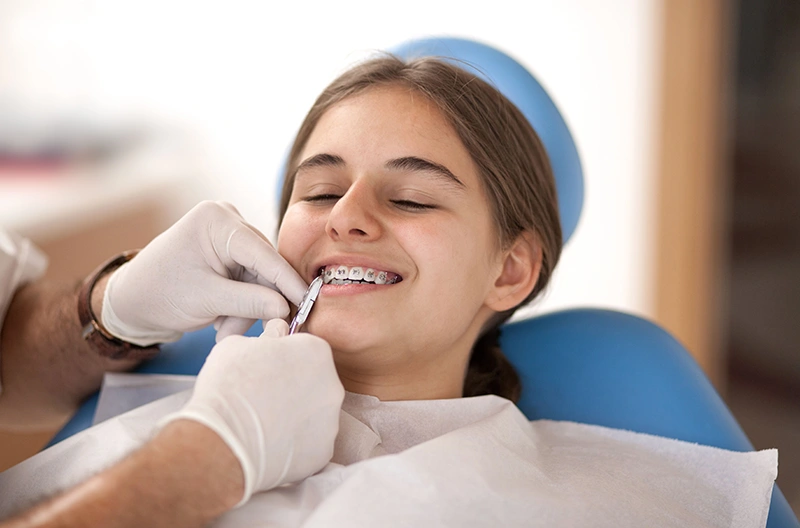
Fixed braces remain one of the most effective ways to straighten teeth - and today's options are a long way from the metal train tracks most people picture. At Modwena Dental, your treatment is led by a Specialist Orthodontist, with a range of brace types to suit every preference and budget.

Sometimes fixed is simply the better choice
There's a lot of attention on clear aligners right now - and for good reason. But fixed braces aren't the outdated alternative. For many patients, they're still the most effective, most reliable, and most clinically appropriate way to straighten teeth.
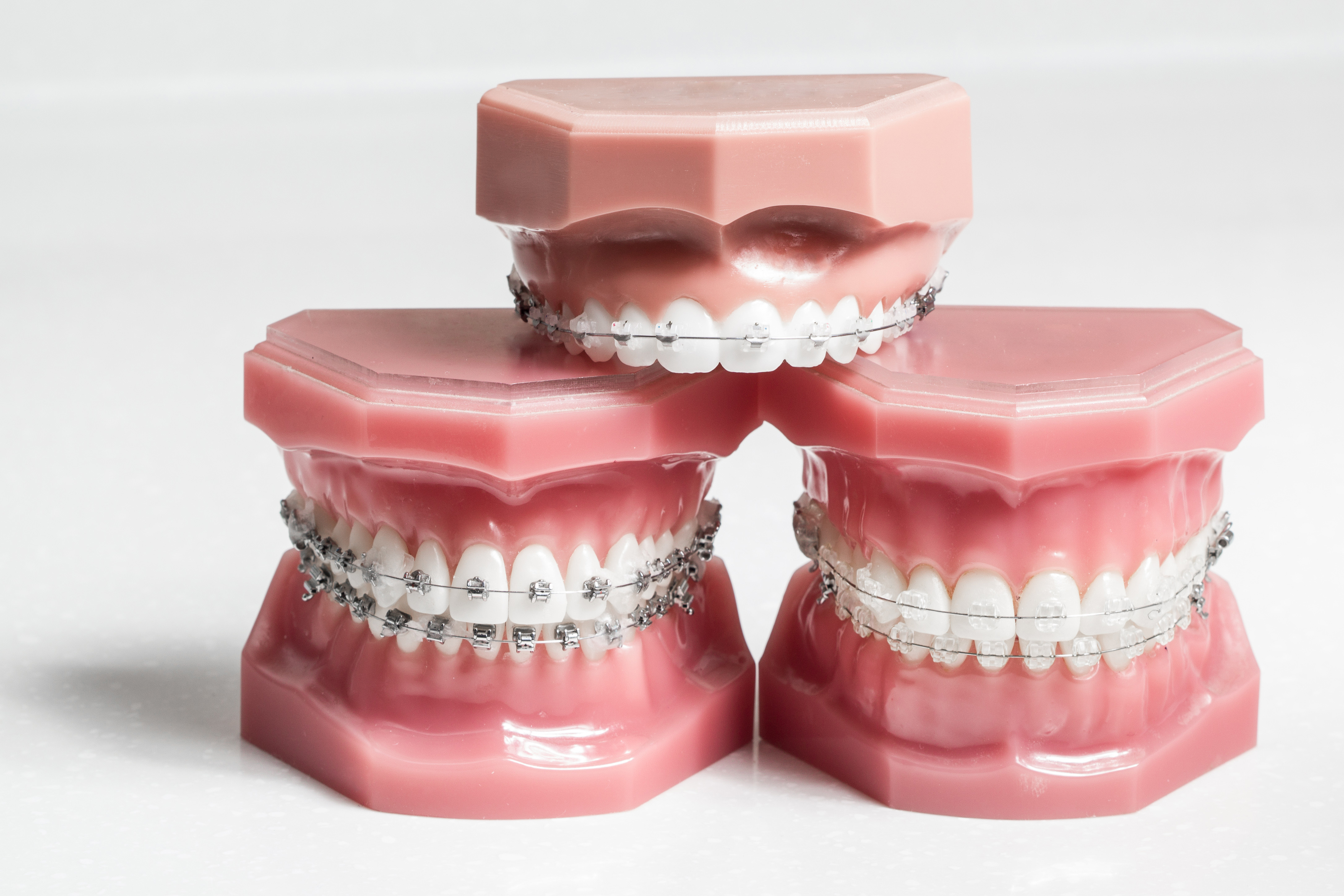
Fixed braces work continuously. They don't rely on you remembering to put them back in after meals. They can handle more complex tooth movements with greater precision. And with the options available at Modwena Dental today - from barely-there ceramic brackets to discreet lingual braces fitted behind your teeth - there's a fixed brace to suit almost every lifestyle.
Specialist-led fixed brace treatment at Modwena Dental
As with all orthodontic treatment at Modwena Dental, fixed braces are led by Richard Cully - a Recognised Specialist Orthodontist and founder of Modwena Orthodontics.
Richard has extensive experience treating complex orthodontic cases across multiple practices and hospitals, with a particular focus on multi-disciplinary treatment planning. His involvement in orthodontic professional bodies means his approach is always informed by the latest clinical thinking.
Having a Specialist Orthodontist plan and oversee your treatment isn't something every practice can offer. It means your case is assessed at the highest level of clinical expertise in tooth movement - and that the treatment you receive is genuinely tailored to your specific needs, not a standard plan applied to everyone.
Your fixed brace options at Modwena Dental in Stoke-on-Trent
Stainless steel braces
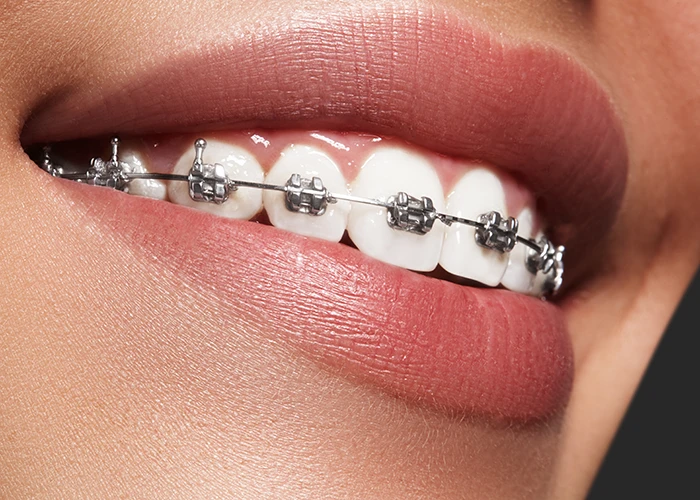
The most established type of fixed brace - durable, reliable, and highly effective across a full range of orthodontic cases. Stainless steel braces are the workhorse of orthodontics and remain the go-to option for more complex tooth movements. More visible than the alternatives, but often the most clinically efficient choice.
Iconix champagne braces
A more discreet take on traditional metal braces. Iconix brackets are made from a champagne-gold coloured material that blends more naturally with the colour of teeth than standard silver brackets - a popular middle ground between the visibility of steel and the cost of ceramic.
.webp)
Radiance ceramic braces
Radiance brackets are made from a clear ceramic material, making them significantly less noticeable than metal braces. They're designed to resist staining and stay looking clean throughout treatment. A popular choice for patients who want the reliability of fixed braces without the visual impact of metal.
Incognito lingual braces
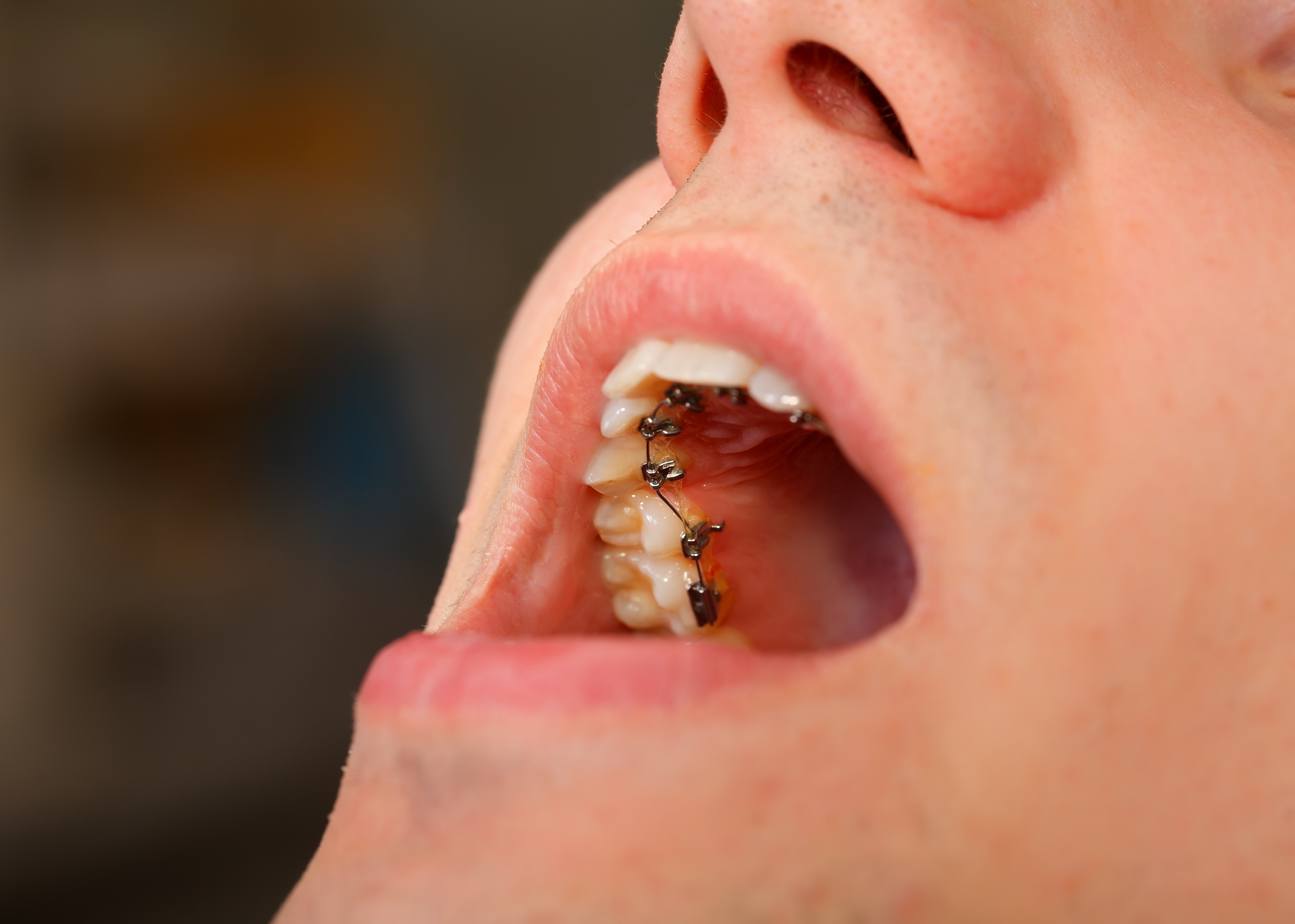
Lingual braces are fitted to the back surfaces of your teeth rather than the front - making them completely invisible from the outside. Incognito is a precision-made lingual system, custom-fabricated for each patient's teeth. They require a period of adjustment as the tongue adapts, but for patients where discretion is the priority, they're a uniquely effective solution.
Ready to start your journey?
How do fixed braces work at Modwena Dental in Stoke-on-Trent?
Fixed braces vs Invisalign - which should you choose?
It's one of the most common questions we're asked - and the honest answer is that it depends entirely on your teeth, your lifestyle, and what you're trying to achieve.
Invisalign is a great option for patients with mild to moderate orthodontic concerns who value discretion and removability. But it requires discipline - aligners need to be worn for 20 to 22 hours a day to be effective.
Fixed braces work around the clock without any input from you. For more complex cases involving significant tooth rotation, vertical movement, or bite correction, fixed braces often give more precise, predictable results. They're also the better option for patients who'd rather not think about their treatment day-to-day.
The good news is that at Modwena Dental you have access to both - and a Specialist Orthodontist who'll give you a genuinely honest recommendation. There's no agenda, just the right treatment for your teeth.


Fixed braces from
£291.25
How much do fixed braces cost in Stoke-on-Trent?
- Fixed braces - from £3,495
The overall cost depends on the type of brace, the complexity of your case, and the length of treatment. Lingual braces sit at the higher end due to the precision involved in their manufacture and fitting. Your exact costs will be confirmed in your written treatment plan following consultation.
We offer flexible finance options to spread the cost:
- In-house payment plan - split into three payments, six months apart
- Low-interest finance over 24 months (7.9% APR)
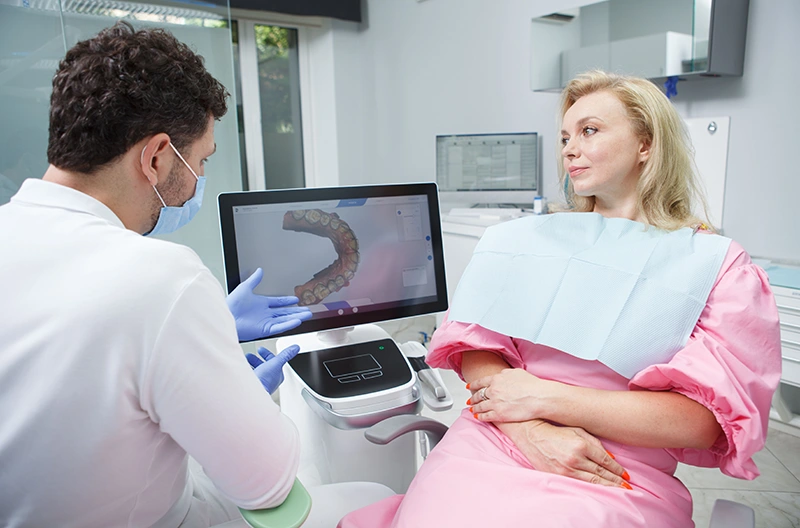
Your orthodontic consultation is £100 and includes a full assessment, digital scans, clinical records, and a detailed written report.
Seeing patients from across Staffordshire for orthodontic treatment
We treat fixed brace patients from right across the region - from Stoke-on-Trent and Hanley to Newcastle-under-Lyme, Shelton, Hartshill, Penkhull, and Trent Vale, as well as from wider Staffordshire, Derbyshire, and Leicestershire.
If you're looking for specialist-led fixed brace treatment and want to know which option is right for you, we'd love to help.

Frequently asked questions about fixed braces
Do fixed braces hurt?
Fixed braces don't hurt to fit, but your teeth and gums are likely to feel tender for the first few days after fitting and after each adjustment appointment. This is completely normal - it's your teeth responding to the pressure being applied. Over-the-counter pain relief and orthodontic wax for any areas of irritation usually help manage this comfortably.
How long will I need to wear fixed braces?
Treatment length varies depending on the complexity of your case. Most treatments run between 12 and 24 months, though simpler cases can be shorter. Your written treatment plan will include an expected timeline so you can plan ahead.
Can I eat normally with fixed braces?
Mostly yes, but there are some foods to avoid. Hard, crunchy, or sticky foods can damage brackets or dislodge the wire - things like hard sweets, crusty bread, chewing gum, and whole apples bitten directly. Your orthodontic team will give you a full list of what to be mindful of at your fitting appointment.
How do I keep my teeth clean with fixed braces?
Keeping your teeth clean around your braces takes a little more effort but it's important. Interdental brushes are particularly useful for getting around the brackets and under the wire. Your orthodontic team will show you the best technique at your fitting and we'd recommend keeping up with hygiene appointments throughout your treatment.
Are lingual braces suitable for everyone?
Lingual braces are suitable for many cases but not all - the clinical suitability depends on the nature of your orthodontic needs and the anatomy of your teeth. Richard will assess whether they're an appropriate option for you at your consultation.
What's the difference between ceramic braces and metal braces clinically?
Both work in exactly the same way - the difference is purely aesthetic. Ceramic brackets are made from a tooth-coloured material rather than metal, making them significantly less visible. They're slightly more delicate than metal brackets and require a little more care, but for most patients this isn't an issue in day-to-day life.
Do I really need retainers after treatment?
Yes - without exception. Teeth have a natural tendency to drift back towards their original position after orthodontic treatment. Retainers hold everything in place and protect the result you've worked towards. Skipping retainers is the most common reason orthodontic results don't last.

Referring your patient to us
We welcome dentist referrals across the Midlands your patients will receive specialist care and excellent results.

Book your fixed brace consultation in Stoke-on-Trent
Whether you know exactly which brace you'd like or you're not sure where to start - the first step is the same. Book a consultation with our Specialist Orthodontist and we'll take it from there.