
Composite bonding in Stoke-on-Trent
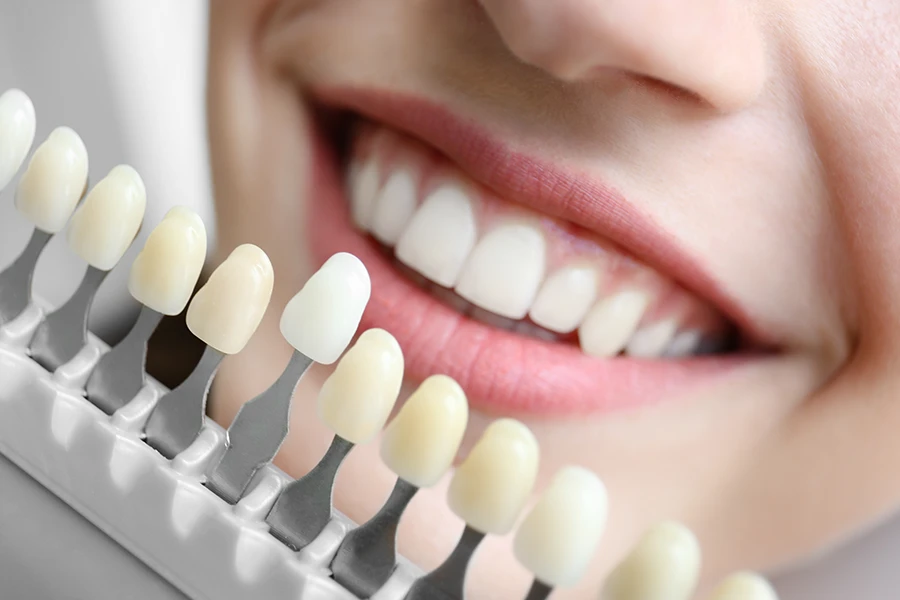
If there are things about your smile you've always wanted to change - chips, gaps, uneven shapes, or discolouration - composite bonding is one of the most accessible ways to do something about it. No drilling, no removal of tooth structure, and results you can see on the same day.

Why so many people are choosing composite bonding
There's a reason composite bonding has become one of the most popular cosmetic dental treatments in the UK. It's versatile, relatively affordable compared to other cosmetic options, and when it's done well, the results look genuinely natural.
But more than that - it gives people back their confidence. Whether it's a chip you've been self-conscious about for years, teeth that have always felt a little uneven, or simply a smile you've never quite been happy with, composite bonding is often the straightforward solution people didn't realise was available to them.
What is composite bonding?
Composite bonding uses a tooth-coloured resin - the same material used in white fillings - to reshape, repair, or improve the appearance of your teeth. It's applied directly to the tooth surface, sculpted by hand, and hardened with a curing light.
The result is a natural-looking improvement that blends seamlessly with your surrounding teeth. And because the process is additive - meaning material is added rather than removed - it's one of the most conservative cosmetic treatments available. In most cases, no drilling or anaesthetic is needed at all.

What can composite bonding fix in Stoke-on-Trent?
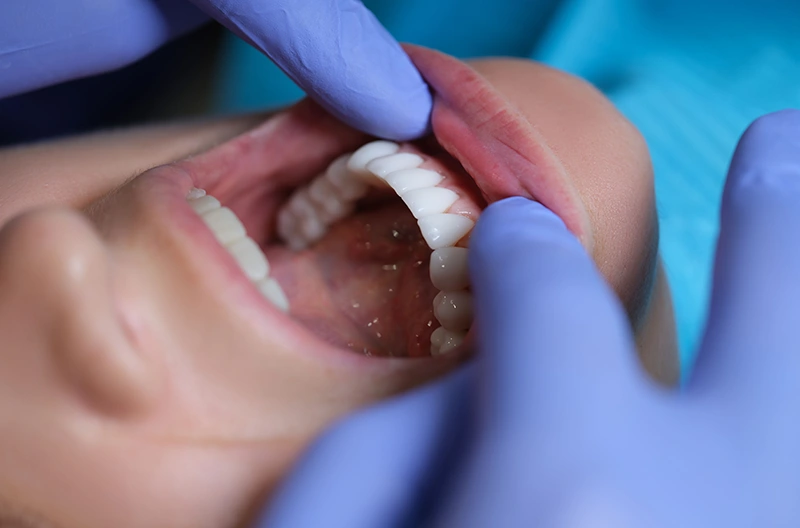
Composite bonding is a surprisingly flexible treatment. It can be used to address:
- Chipped or cracked teeth
- Small gaps between teeth
- Teeth that are uneven in size or shape
- Discolouration or staining that whitening hasn't fully resolved
- Teeth that look worn down or shorter than you'd like
- Minor asymmetry in your smile
It works best when the changes needed are relatively minor to moderate. For more significant reshaping or where longer-lasting results are a priority, veneers might be worth exploring as an alternative - your dentist will help you understand which option is most suitable for you.

Ready to start your journey?
How does composite bonding work at Modwena Dental?
Is composite bonding right for me?
Composite bonding works best on teeth that are structurally healthy. If there's any underlying decay or gum disease, that would need to be addressed first before any cosmetic work is carried out - which is exactly why the consultation matters.
It's also worth thinking about teeth whitening before composite bonding, rather than after. Composite resin doesn't respond to whitening treatments, so if you whiten first, your dentist can match the bonding to your new, brighter shade. If you're interested in both, we can help you plan the right order and approach.
Thinking about a bigger smile transformation? Composite bonding works brilliantly alongside other treatments as part of a smile makeover. We can put together a plan that combines treatments in the right sequence to get you the result you're looking for.

At home day and night whitening options

Gradual, controlled whitening with predictable results

Safe for enamel when used as directed

Enhances confidence with a fresher, brighter smile
.png)

Composite bonding - from
£200
How much does composite bonding cost in Stoke-on-Trent?
The cost per tooth depends on the complexity of the work involved and how much composite is needed. Your dentist will confirm the exact price at your consultation - before any treatment is agreed.
Your initial consultation is part of our new patient appointment at £100, which covers your full assessment and a personalised treatment plan.
How long does composite bonding last?
A few things can shorten its lifespan though, so it's worth being aware of them:
Biting directly into very hard foods - like crusty bread, hard sweets, or ice.
Grinding your teeth at night - if this is something you do, your dentist may recommend a nightguard.
Staining from tea, coffee, red wine, or smoking - composite can pick up some surface staining over time.
Skipping regular check-ups and hygiene visits - keeping your teeth and gums healthy helps bonding last longer.
Frequently asked questions about composite bonding
Does composite bonding damage your teeth?
No - in fact it's one of the most tooth-friendly cosmetic treatments available. Because composite is added to the tooth rather than the tooth being filed down, your natural tooth structure is fully preserved. This is one of the key differences between bonding and veneers.
Does composite bonding hurt?
For most patients, composite bonding requires no anaesthetic at all. The process is non-invasive and the majority of people find it completely comfortable throughout.
Can composite bonding fix a gap between my front teeth?
Yes, this is one of the most common uses for bonding. Your dentist can build out the edges of the teeth on either side of the gap to close or reduce it. For larger gaps, it's worth having a conversation about whether teeth straightening might give a more natural long-term result.
Can I whiten my teeth after having composite bonding?
Whitening treatments don't affect composite resin, so if you whiten after bonding, your natural teeth will lighten but the bonding won't change - which can create a mismatch. This is why we recommend whitening first, so the bonding can be matched to your whitened shade.
How do I look after composite bonding?
Brush twice a day, floss regularly, and keep up with your hygiene appointments. Avoid biting into very hard foods directly with bonded teeth, and if you grind at night, mention it to your dentist. Other than that, composite bonding doesn't require any special maintenance.
What's the difference between composite bonding and veneers?
Composite bonding involves adding resin directly to the tooth without removing any tooth structure. Veneers are thin porcelain or composite shells that are fitted over the front of the tooth - and usually require a small amount of the tooth surface to be prepared first. Veneers tend to be longer-lasting and can achieve more dramatic transformations, but bonding is more conservative and more affordable. Your dentist will help you weigh up which is right for you.

Referring your patient to us
We welcome dentist referrals across the Midlands your patients will receive specialist care and excellent results.

Book your composite bonding consultation in Stoke-on-Trent
If you've been thinking about making a change to your smile, the first step is a conversation. Book your new patient appointment and we'll take it from there.