
Oral surgery in Stoke-on-Trent
From straightforward extractions to more complex surgical procedures, we offer a full range of oral surgery at Modwena Dental - all carried out in-house by an experienced team, so you're not bounced around between different practices or hospitals.
.png)
Having oral surgery in a practice you already trust makes a difference
Being referred elsewhere for surgical treatment can feel unsettling - especially if you're already anxious about what's involved. At Modwena Dental, we've invested in having the right expertise in-house so that the vast majority of oral surgery our patients need can be carried out right here, by a team you know.
That continuity of care matters. Your dentist knows your history, understands your concerns, and can plan your treatment as part of the bigger picture of your overall oral health - rather than as an isolated procedure carried out by someone you've never met.
Oral surgery treatments we offer in Stoke-on-Trent
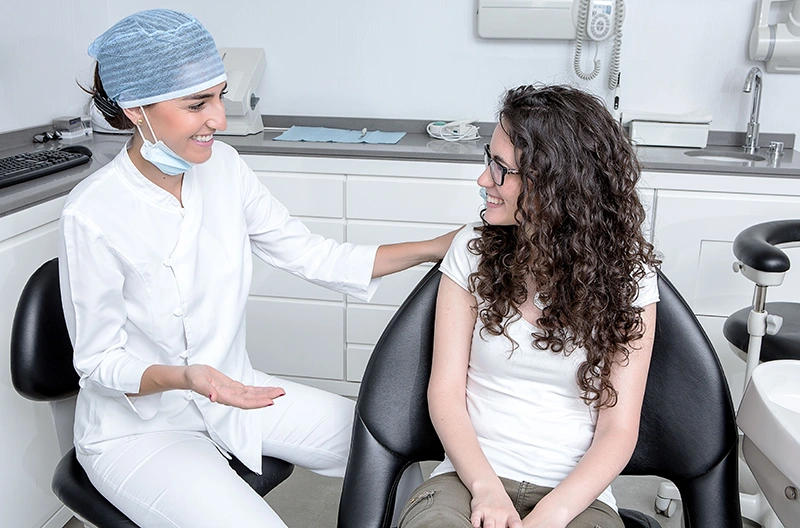
Simple and surgical extractions
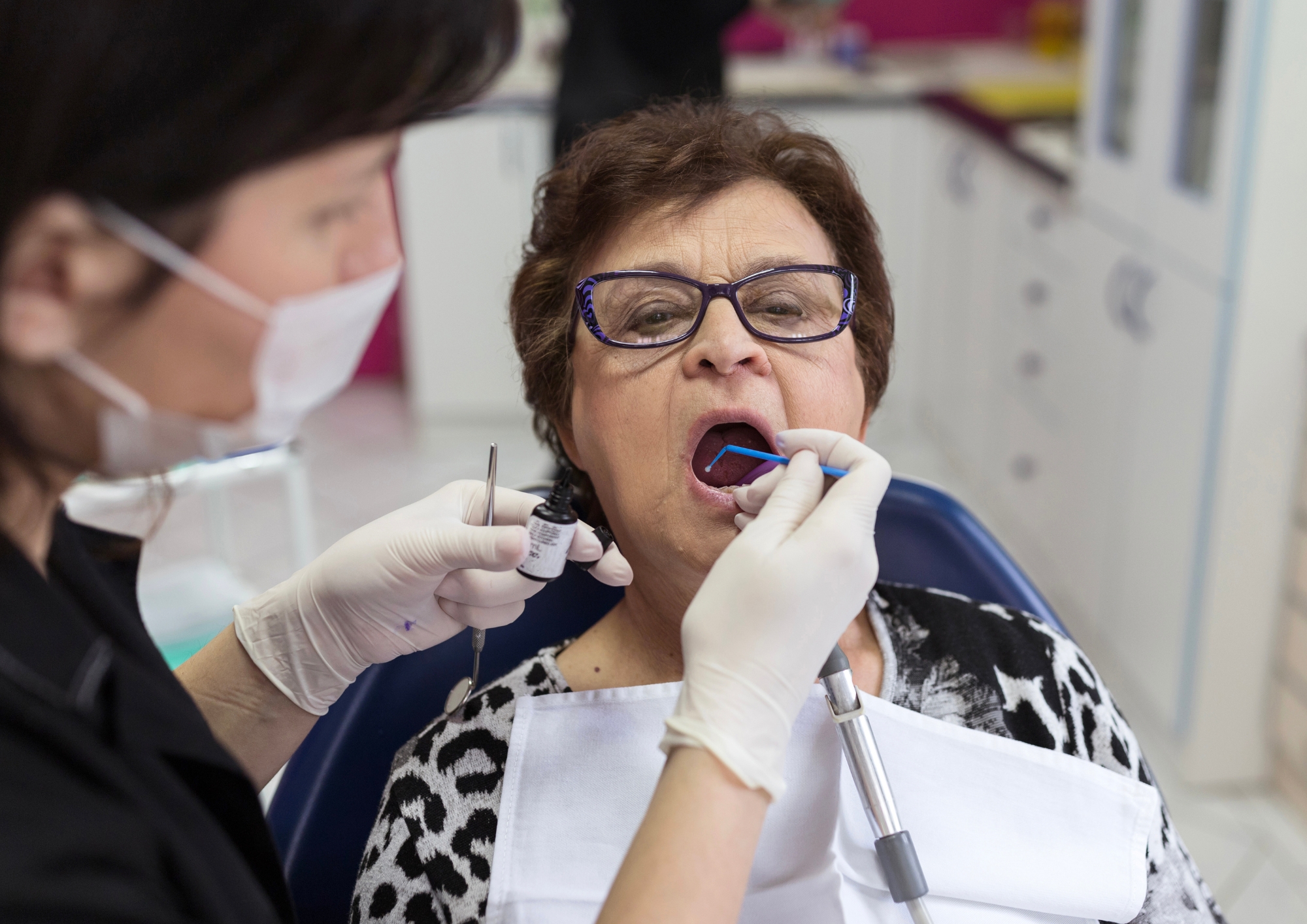
Sometimes a tooth is beyond saving - through decay, damage, or infection - and the most appropriate course of action is removal. Simple extractions involve removing a tooth that is visible above the gumline. Surgical extractions are needed when a tooth is partially or fully beneath the gum, broken at the gumline, or has curved or complex roots that make a straightforward extraction difficult.
Both are carried out under local anaesthetic. Sedation is available for patients who feel anxious about the procedure.
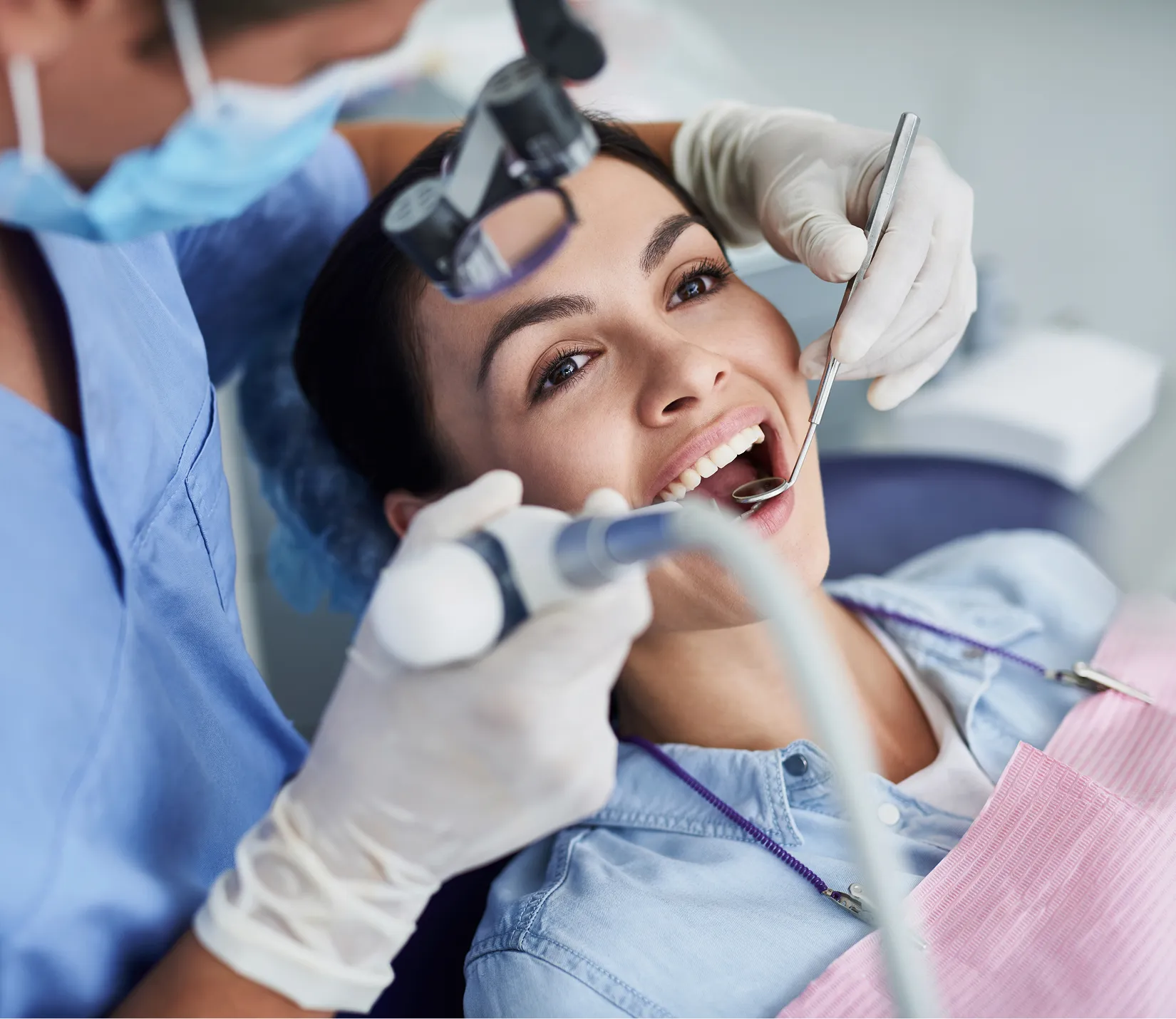
Wisdom tooth removal
Wisdom teeth - the four rearmost molars that typically emerge in your late teens or twenties - are among the most commonly removed teeth in dentistry. They often don't have enough room to come through properly, which can cause them to become impacted - meaning they grow at an angle, partially emerge, or remain trapped beneath the gum.
Impacted wisdom teeth can cause persistent pain, swelling, repeated infection, damage to neighbouring teeth, and difficulties with cleaning. Removal is often the most straightforward long-term solution - and at Modwena Dental, the majority of wisdom tooth removals can be handled in-house without the need for a hospital referral.
.jpg)
Bone grafting
When a tooth is lost or extracted, the bone beneath it begins to shrink over time. This bone loss can make it difficult to place a dental implant later on, as there may not be sufficient bone volume to support the implant post securely.
Bone grafting involves adding bone material to the area to rebuild volume and create a stable foundation for implant placement. It's a routine procedure that can be carried out at the time of extraction - preserving the bone from the outset - or as a separate procedure in preparation for implant treatment.

Soft tissue surgery
Soft tissue procedures cover a range of treatments involving the gums and other tissues in the mouth. This includes the removal of cysts, lumps, or lesions that require investigation or treatment, as well as procedures to address gum tissue that is affecting the appearance or health of your smile.
Any soft tissue that is removed is routinely sent for analysis where clinically appropriate - your dentist will explain if this applies to your situation.
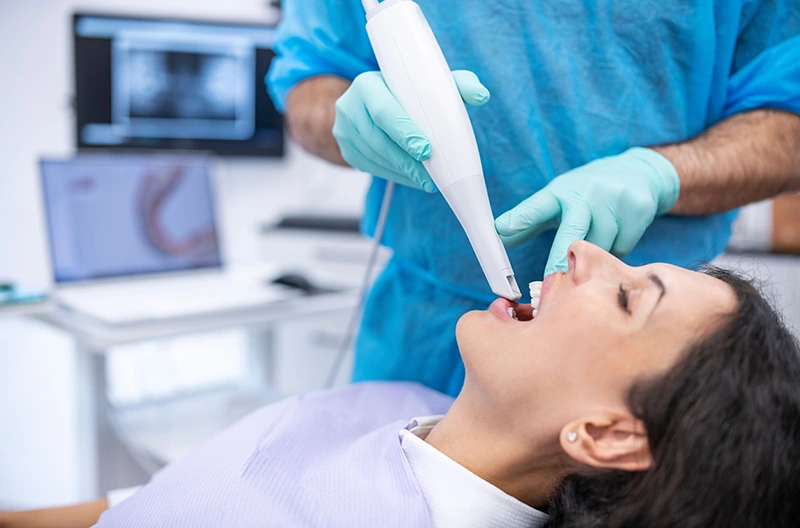
Surgical procedures in support of other treatments
Some treatments - including dental implants and certain orthodontic procedures - require surgical preparation as part of the wider treatment plan. Having an experienced surgical team in-house means these elements can be coordinated and carried out seamlessly, without delays caused by external referrals.
Who carries out oral surgery at Modwena Dental?
Oral surgery at Modwena Dental is carried out by our in-house maxillofacial-trained dentist - a level of surgical expertise that goes significantly beyond standard dental training.
Maxillofacial dentistry covers the diagnosis and surgical treatment of conditions affecting the mouth, jaw, face, and neck. Having this expertise available in-house means we can handle a much wider range of surgical cases than most general dental practices - and to a higher clinical standard.
For patients who do require hospital-level care for particularly complex cases, we will always refer appropriately and make that process as smooth as possible.
Ready to start your journey?
What to expect from oral surgery at Modwena Dental in Stoke-on-Trent
.png)
Looking after yourself after oral surgery
Recovery from oral surgery is usually straightforward, but there are some important things to bear in mind in the hours and days following your procedure:
- Avoid rinsing vigorously for the first 24 hours - this allows a blood clot to form in the socket, which is essential for healing
- Stick to soft foods for the first few days - avoid anything hot, hard, or crunchy near the surgical site
- Don't smoke - smoking significantly impairs healing and increases the risk of complications such as dry socket
- Avoid strenuous exercise for at least 24 to 48 hours after surgery
- Take any prescribed medication as directed - including antibiotics if these have been provided
- Keep the area gently clean - your aftercare instructions will advise on when and how to do this
A full written aftercare guide will be provided at your appointment. If anything concerns you during recovery, don't hesitate to get in touch.
Oral surgery and dental implants - how they work together
Many patients who need oral surgery are also considering dental implants or full mouth implants as part of their longer-term treatment plan. Extractions, bone grafting, and implant placement often need to be carefully coordinated - and having all of this expertise in-house at Modwena Dental makes that coordination significantly smoother.
Rather than managing multiple referrals across different providers, your entire treatment journey can be planned and delivered by one team, in one place. That's not something every practice can offer.
.png)
Sedation for oral surgery - making the experience easier
We understand that the idea of oral surgery can feel daunting - even for patients who don't consider themselves particularly anxious about dentistry in general. IV sedation is available at Modwena Dental for patients who would like additional support during surgical procedures.
Sedation puts you in a deeply relaxed state throughout the procedure - you'll remain conscious but feel calm, comfortable, and largely unaware of what's happening. Most patients have little or no memory of the procedure afterwards.
If sedation is something you'd like to discuss, mention it when you get in touch and we'll make sure it's factored into your appointment planning.

Seeing patients from across Staffordshire for oral surgery
We treat oral surgery patients from right across the region - from Stoke-on-Trent and Hanley to Newcastle-under-Lyme, Shelton, Hartshill, Penkhull, and Trent Vale, as well as from wider Staffordshire, Derbyshire, and Leicestershire.
If you've been referred for oral surgery, or you've been told you need a procedure and want to have it carried out somewhere you already feel comfortable, get in touch.
Frequently asked questions about oral surgery
Will oral surgery hurt?
All oral surgery at Modwena Dental is carried out under local anaesthetic, so the procedure itself should be comfortable. You'll feel pressure and movement but not pain. Some soreness, swelling, and bruising in the days following surgery is completely normal and can be managed with over-the-counter pain relief. If you're particularly anxious, sedation is available to make the experience easier.
How long does it take to recover from oral surgery?
Recovery varies depending on the procedure. Simple extractions typically heal within a few days. More complex surgical procedures - such as wisdom tooth removal or bone grafting - may take one to two weeks before the area feels fully settled. Your dentist will give you a realistic recovery timeline for your specific procedure beforehand.
What is dry socket and how do I avoid it?
Dry socket occurs when the blood clot that forms in the extraction socket is dislodged or dissolves before healing is complete, exposing the underlying bone. It's the most common complication following tooth extraction and causes significant discomfort. To avoid it, don't rinse vigorously for the first 24 hours, avoid smoking, and don't drink through a straw in the days following surgery.
Do I need a referral to access oral surgery at Modwena Dental?
No - you can come directly to us. If you've been told by another dentist that you need oral surgery and would like it carried out at Modwena Dental, simply get in touch and we'll arrange an assessment.
Can wisdom teeth always be removed in practice rather than in hospital?
The majority of wisdom tooth removals can be carried out in a dental practice setting. More complex cases - involving teeth that are very deeply impacted or closely associated with important nerves - may require hospital treatment. Your dentist will assess your X-rays and scans and let you know honestly whether in-practice removal is appropriate for your situation.
What should I do if I think I have an infection after oral surgery?
Contact us as soon as possible. Signs of infection include increasing rather than improving pain after the first few days, swelling that is getting worse rather than better, a bad taste or smell from the area, and fever. Most post-surgical infections are straightforward to treat if caught early - don't leave it and hope it improves on its own.

Referring your patient to us
We welcome dentist referrals across the Midlands your patients will receive specialist care and excellent results.
Book your oral surgery consultation in Stoke-on-Trent
Whether you've been referred for a procedure or you're not sure yet what you need - the first step is a proper assessment. We'll give you a clear picture of what's involved and take it from there.